

Not every participant’s needs can be met by general disability support. Some people live with conditions that demand clinical skill, close supervision, and carefully coordinated care, whether that involves managing complex physical health needs or navigating serious mental health challenges. For these participants and their families in Brisbane, finding a provider genuinely equipped for specialised support can be the difference between struggling and thriving.
This guide explores what specialised NDIS support really involves, the difference between general and high-intensity care, how quality mental health support is delivered, and what Brisbane families should look for when the stakes are high. The goal is to help you make an informed, confident choice for a loved one whose needs go beyond the ordinary.
Understanding Specialised Support Needs
Specialised support covers participants whose disabilities or health conditions require more than everyday assistance. This might include people with significant physical health needs, those at risk of medical episodes, individuals with serious mental health conditions, or people whose behaviours of concern require expert, structured support. What these situations have in common is that they demand trained professionals, robust systems, and genuine clinical oversight rather than general support alone.
Because the risks are higher, the NDIS holds providers of specialised support to additional standards. Organisations delivering this level of care must show that their staff are properly trained and supervised, that care is coordinated with treating health professionals, and that plans are built around each individual’s specific and often changing needs. For families, understanding this distinction is the first step toward choosing support that is genuinely safe and capable.
The Difference Between General and High-Intensity Support
Many families are surprised to learn how significant the gap is between general disability support and specialised, high-intensity care. Recognising where a participant’s needs sit helps ensure they are matched with a provider who can actually keep them safe and well.
- Level of training required. General support workers assist with everyday tasks, while high-intensity care requires staff with specific clinical training in areas like enteral feeding, catheter care, or seizure management. The training gap is substantial and directly affects safety.
- Clinical oversight. Standard support rarely involves nurses, whereas quality specialised care is planned and overseen by registered nurses and other clinical professionals who ensure tasks are performed safely and correctly.
- Coordination with health professionals. High-intensity care must align closely with a participant’s treating doctors and specialists, with plans built and reviewed in genuine consultation rather than in isolation.
- Risk management. Specialised support demands rigorous risk assessment and protocols, because the consequences of an error, such as a missed seizure response or an incorrectly managed feeding tube, can be serious.
- Consistency and reliability. Complex needs often require stable, around-the-clock support from a team that knows the participant well, rather than a rotating cast of unfamiliar workers.
Understanding these differences empowers families to ask the right questions and to recognise when a participant needs a provider with genuine specialised capability rather than general support.
Finding Providers Equipped for Complex Needs
When a loved one has high or complex needs, the choice of provider carries real weight. Among the NDIS Complex Care Providers Brisbane offers, only some have the clinical staff, training, and governance to deliver high-intensity support safely. Families should look closely at whether an organisation genuinely employs registered nurses and behaviour support practitioners, whether its support workers are trained in the specific tasks their loved one needs, and whether care is coordinated with treating clinicians.
The strongest providers treat complex care as a clinical responsibility rather than an add-on service. They build each care plan around the individual in consultation with health professionals, review it regularly as needs change, and deliver reliable support around the clock. Just as importantly, they combine this technical capability with warmth and respect, never losing sight of the person behind the care plan. This combination of clinical rigour and genuine compassion is what separates truly capable specialised providers from those who merely claim the label.
Why Reliable High-Intensity Care Changes Lives
For participants with significant physical health needs, dependable specialised support can mean the difference between living safely at home and repeated hospital admissions. Quality High-Intensity Support Brisbane families can rely on keeps people comfortable, safe, and connected to their community rather than isolated or institutionalised. It gives family members peace of mind, knowing that trained professionals are managing clinical tasks correctly and responding appropriately when issues arise.
The impact extends well beyond the clinical. When high-intensity needs are met reliably, participants gain the stability to pursue their own goals, maintain relationships, and enjoy a fuller life. Consistent support workers who know the person and their routines build trust and reduce anxiety, while proper clinical oversight prevents small issues from becoming emergencies. Reliable specialised care does not just keep people safe; it gives them the foundation to live with dignity and purpose.
The Vital Role of Quality Mental Health Support
Physical health is only one dimension of complex need. For many participants, mental health is central to their wellbeing, and it requires just as much skill and sensitivity to support well. Effective NDIS Mental Health Support is compassionate, trauma-informed, and focused on recovery, emotional wellbeing, and building resilience rather than simply managing symptoms.
Good mental health support recognises that every person’s journey is different. It means meeting people with patience and empathy, understanding the impact of past trauma, and working alongside them toward their own goals at their own pace. Support workers trained in trauma-informed care create safety and trust, which are the foundations on which genuine progress is built. Rather than a one-size-fits-all approach, quality mental health support is tailored to the individual, coordinated with relevant health professionals, and delivered with a deep respect for the person’s dignity and autonomy. For participants navigating mental health challenges, this kind of thoughtful, skilled support can be genuinely life-changing.
How Royalty Healthcare Delivers Specialised Support in Brisbane
Royalty Healthcare brings together the clinical capability and compassionate approach that specialised support demands. As a registered NDIS provider certified by the NDIS Quality and Safeguards Commission, their team includes registered nurses, behaviour support practitioners, and support workers trained in high-intensity care. They deliver complex clinical supports such as enteral feeding, catheter care, tracheostomy support, and seizure management, alongside tailored, trauma-informed mental health support focused on recovery and resilience.
Every team member is trained in trauma-informed care, leading with patience and empathy, and every complex care plan is built in consultation with the participant’s treating clinicians. Operating from their Strathpine office across Brisbane, Ipswich, Logan, the Gold Coast, and the Sunshine Coast, Royalty Healthcare delivers all supports through one coordinated team, so clinical care, daily living support, and mental health support work together seamlessly. You can learn more about their mental health support at royaltyhealthcare.com.au.
This integration of clinical expertise, mental health capability, and genuine compassion is what allows families to trust Royalty Healthcare with their most complex needs.
Getting Started With Specialised Support
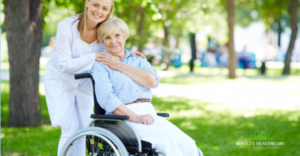
If your loved one needs specialised support, begin with an honest conversation about their needs, goals, and clinical requirements. A capable provider will take time to understand the full picture, review the relevant NDIS plan funding, and coordinate with treating health professionals before building a tailored arrangement. Where a hospital discharge is involved, the right team can move quickly to have supports in place for a safe transition home, working alongside discharge planners and clinical staff.
Throughout the process, you should feel heard, informed, and confident that the people supporting your loved one have both the skill and the compassion that specialised care requires.
Final Thoughts
When standard care is not enough, the right specialised provider can transform a participant’s life. Whether the need is high-intensity clinical support, expert mental health care, or a combination of both, what matters most is genuine capability backed by proper registration, trained staff, clinical oversight, and a coordinated, person-centred approach.
For Brisbane families, the task is to look past surface claims to the real substance of a provider’s specialised capability. When you find a team that pairs clinical excellence with genuine compassion and reliable delivery, you give your loved one the strongest possible foundation for safety, wellbeing, and a life lived with dignity and purpose.